
Introduction
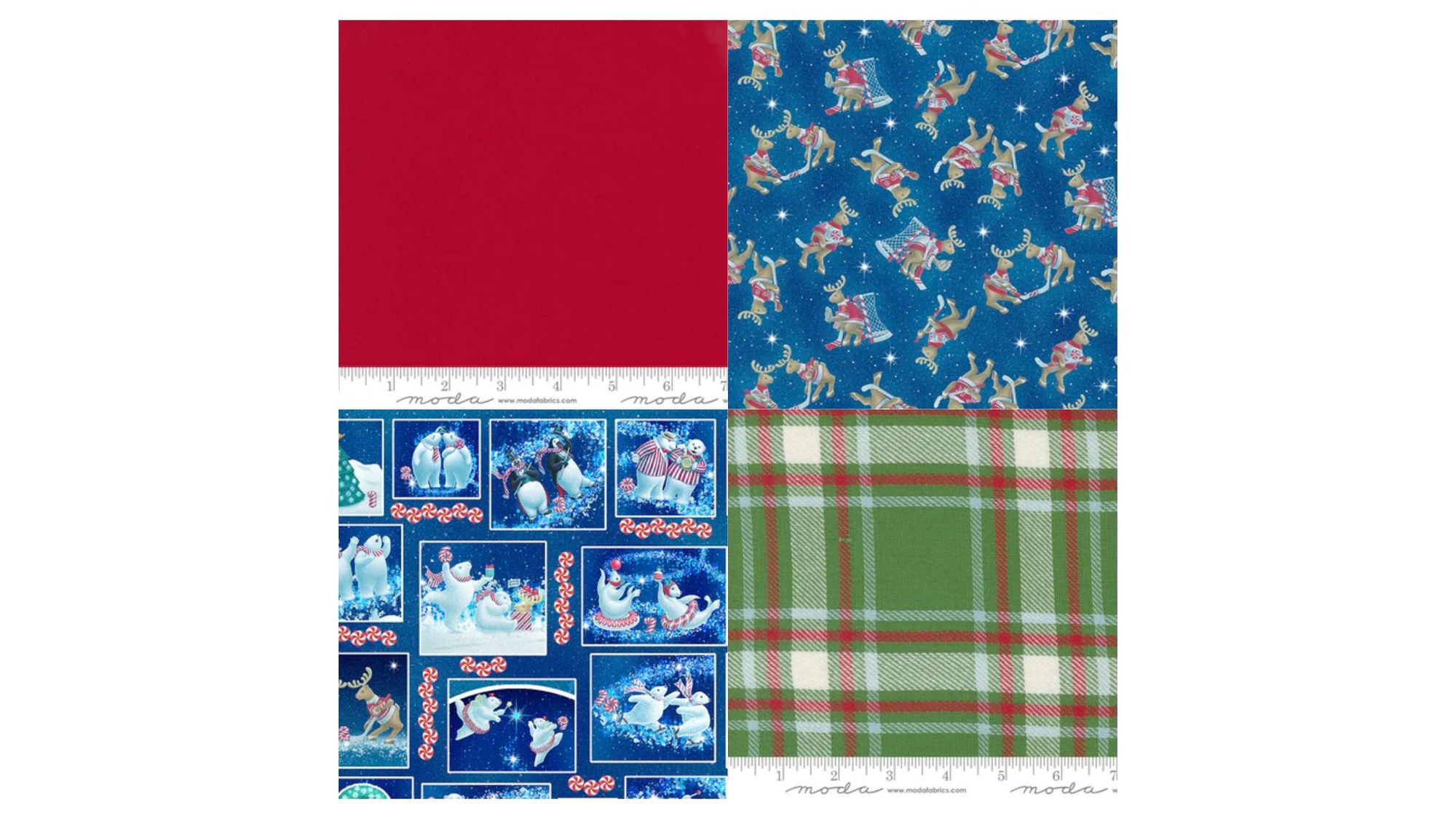
A well-planned quilt usually uses more than one type of fabric. Some fabrics provide structure, some add movement, some carry the theme, and others finish the back. Understanding fabric categories helps quilters shop with purpose instead of guessing. The most useful categories to know are solids, blenders, prints, reproduction fabrics, licensed sports fabrics, and widebacks.
Solids: the structure builders
Solids are single-color fabrics with no printed design. They are used for backgrounds, borders, sashing, binding, modern blocks, and negative space. Solids such as Moda Bella Solids and Kona Cotton are popular because they help shapes and colors stand out clearly.
Blenders: the balancing fabrics
Blenders are subtle fabrics that sit between solids and prints. They may have tonal texture, tiny patterns, speckles, linen looks, or soft movement. Blenders help connect colors and soften strong prints. They are especially useful when a quilt feels too busy or when solids feel too plain.
Prints: the personality pieces
Prints include florals, geometrics, novelty designs, batiks, children’s fabrics, designer collections, and seasonal themes. They often become the visual focus of a project. The key with prints is to manage scale and quantity so the design stays balanced.
Reproduction fabrics: the vintage storytellers
Reproduction fabrics are inspired by historic textile styles. They often feature small florals, muted colors, traditional motifs, and classic patterns. These fabrics are ideal for heritage quilts, sampler quilts, antique-style projects, and traditional home décor.
Licensed sports fabrics: the fan favorites
Licensed sports fabrics feature official team logos, colors, and designs. They are popular for quilts, gifts, pillowcases, bags, and game-day projects. Because the print is usually the main feature, it is important to choose patterns that allow logos to remain visible.
Widebacks: the finishing fabrics
Wideback fabrics are used mostly for quilt backing. Their wider width reduces the need for piecing, making them practical for large quilts. A good wideback supports the quilt both visually and functionally.
How categories work together
A strong quilt might use a statement print as the focal point, solids for structure, blenders for color transition, and a wideback for the finish. Understanding each role makes fabric selection easier and helps avoid cluttered designs.
Why organized shopping matters
When an online fabric store organizes fabrics by category, customers can shop more efficiently. Instead of scrolling through unrelated options, quilters can find solids, blenders, reproduction prints, widebacks, and themed fabrics based on what the project actually needs.
Final Thoughts
With nearly 25,000 fabrics and notions across major categories, US Fabric Shop makes it easier for quilters to shop by purpose, style, brand, and project need.